Why Does Peat Matter?
Peatlands are a type of wetland where organic matter is not decayed due to the waterlogged, anoxic, and acidic conditions that limit the ability of decomposers to survive[1]. This results in the soils of these ecosystems being almost entirely composed of organic matter. Peatlands cover about 3% of the land surface of the Earth but contain about 30% of the soil organic carbon as recalcitrant peat and this makes them crucial sites of carbon sequestration in the face of anthropogenic climate change[3].
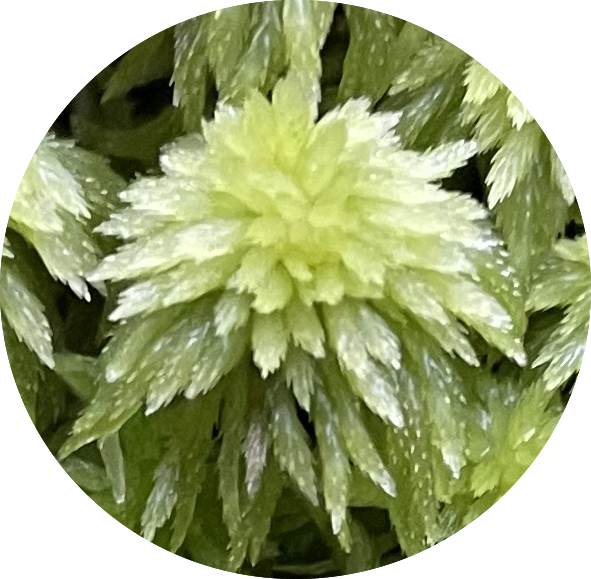
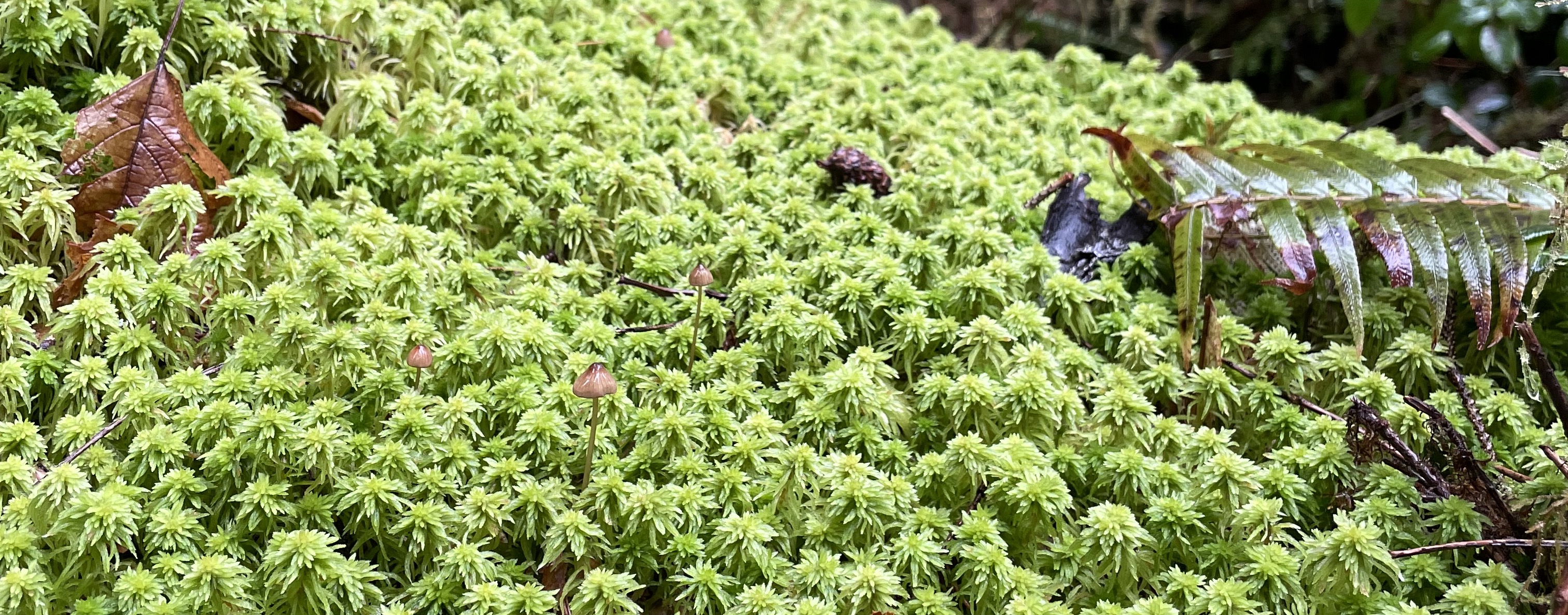
Sphagnum mosses are the ecosystem engineers of peatlands, able to absorb 20 times their dry weight in water, growing upwards and outwards to cover the landscape[2], and acidifying the water and soil by cation exchange to prevent the decomposition of the peat they form[3]. Sphagnum does this to ensure its own competitive advantage over vascular plants that would dry out the land and make the environment unfavorable for the survival of Sphagnum[3]. Because of these processes, it has been suggested that Sphagnum has a greater impact on global carbon fluxes than any other single plant genus in the world[3]. In turn, Sphagnum has a diverse microbiome that facilitates its incredible impact on the planet, revealing the smallest organisms to have large impacts on planetary processes[1].
In addition to contributing to carbon sequestration as humanity increases atmospheric greenhouse gas concentrations, the ecosystem services provided by Sphagnum and their peatlands have further impacts on local communities: the water absorption capacities of these wetlands prevent flooding during storms, drought during dry periods, and even prevent the spread of wildfires; excess nutrients and toxins are filtered from the water flowing through these ecosystems, making them sources of very clean water; peatlands support a wide array of biodiversity, both year-round residents and migrating animals, such as insects, birds, amphibians, small and large mammals, diverse microorganisms and wetland specialist plants; these ecosystems are also treasure troves of foods and pharmaceuticals, many of which are surely yet to be discovered; and peatlands have also held cultural and recreational importance to human communities of immeasurable monetary value for millennia[4].
Despite all this, peatlands have historically been seen as unproductive and even unhealthy environments and have been systematically drained and the land converted for other purposes such as agriculture, pastureland, and development[2]. This has resulted in an enormous loss of carbon sequestration capacity, as well as all the above ecosystem services. Degraded peatlands can exacerbate wildfires as the dried peat is highly combustible, they can erode and release water with high dissolved organic carbon concentrations that cause eutrophication downstream, and the loss of species and potentially revolutionary pharmaceutical compounds is, again, of immeasurable monetary value.
References
[1]Kostka, J. E., Weston, D. J., Glass, J. B., Lilleskov, E. A., Shaw, A. J., & Turetsky, M. R. (2016). The Sphagnum microbiome: New insights from an ancient plant lineage. New Phytologist, 211(1), 57–64. https://doi.org/10.1111/nph.13993
[2]Struzik, E. (2022). Swamplands: Tundra Beavers, Quaking Bogs, and the Improbable World of Peat. Island Press.
[3]Weston, D. J., Turetsky, M. R., Johnson, M. G., Granath, G., Lindo, Z., Belyea, L. R., Rice, S. K., Hanson, D. T., Engelhardt, K. A. M., Schmutz, J., Dorrepaal, E., Euskirchen, E. S., Stenøien, H. K., Szövényi, P., Jackson, M., Piatkowski, B. T., Muchero, W., Norby, R. J., Kostka, J. E., … Shaw, A. J. (2018). The Sphagnome Project: Enabling ecological and evolutionary insights through a genus‐level sequencing project. New Phytologist, 217(1), 16–25. https://doi.org/10.1111/nph.14860
[4]Ecosystem services—International Peatland Society. (n.d.). International Peatland Society. Retrieved May 18, 2023, from https://peatlands.org/peatlands/ecosystem-services/
 The Mossy Log